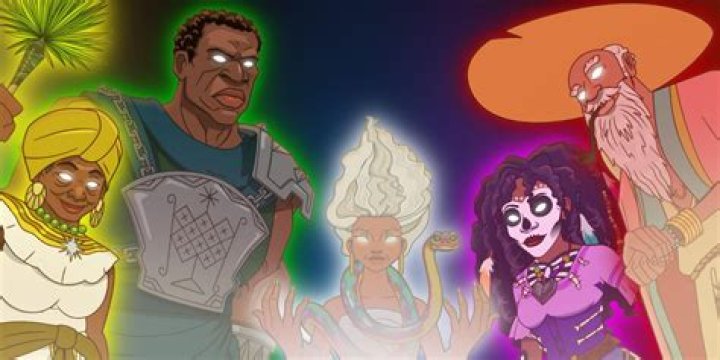
The phrase "tesehki vs marsh fight" refers to a notable and intense battle that occurred between two powerful factions in a fictional setting. The Tesehki are a skilled and disciplined army, renowned for their strategic prowess and unwavering loyalty. On the other hand, the Marsh is a formidable group of warriors known for their ferocity, adaptability, and cunning tactics.
The battle between these two forces was a clash of titans, with each side employing their unique strengths and strategies to gain an advantage. The Tesehki relied on their disciplined formations and coordinated maneuvers, while the Marsh used their agility and guerrilla warfare tactics to confound and outmaneuver their opponents. The conflict was fierce and protracted, testing the limits of both armies and leaving an indelible mark on the annals of their world.
The "tesehki vs marsh fight" serves as a compelling backdrop for exploring themes of strategy, honor, and the indomitable spirit of warriors. It invites readers to delve into the intricate details of the battle, analyze the motivations and tactics of each side, and draw parallels to real-world conflicts. Through its captivating narrative and rich symbolism, the "tesehki vs marsh fight" offers a profound and thought-provoking examination of the nature of war and the human experience.
Tesehki vs Marsh Fight
The "tesehki vs marsh fight" is a pivotal conflict within a fictional setting, showcasing the clash between two formidable factions. To fully grasp the significance of this battle, it is essential to examine its key aspects:
- Strategic Prowess: The Tesehki's disciplined formations and coordinated maneuvers.
- Adaptability: The Marsh's ability to adjust tactics and confound opponents.
- Ferocity: The Marsh's relentless and aggressive fighting style.
- Loyalty: The Tesehki's unwavering allegiance to their cause.
- Cunning: The Marsh's use of deception and guerrilla warfare.
- Endurance: The protracted nature of the battle, testing the limits of both armies.
- Honor: The adherence to codes of conduct and fair play.
- Legacy: The lasting impact of the battle on the world and its inhabitants.
- Symbolism: The representation of broader themes and conflicts beyond the fictional setting.
These aspects intertwine to create a rich and complex narrative that explores the nature of war, strategy, and the indomitable spirit of warriors. The "tesehki vs marsh fight" serves as a microcosm of larger conflicts, offering insights into the motivations, tactics, and consequences of war. Through its captivating storytelling and profound symbolism, this battle invites readers to reflect on the human experience and the enduring themes that shape our world.
Strategic Prowess
In the "tesehki vs marsh fight," the Tesehki's strategic prowess played a pivotal role in shaping the course of the battle. Their disciplined formations and coordinated maneuvers allowed them to maintain order and execute complex strategies amidst the chaos of combat. The Tesehki's rigorous training and unwavering discipline enabled them to adapt quickly to changing circumstances and respond effectively to the Marsh's unpredictable tactics.
Their ability to maintain tight formations allowed the Tesehki to concentrate their in key areas, overwhelming the Marsh's forces with focused attacks. The coordinated maneuvers of their units ensured that each soldier knew their role and moved in unison, maximizing the effectiveness of their combined efforts. This strategic prowess gave the Tesehki a significant advantage, allowing them to outmaneuver their opponents and achieve their objectives.
Examples of strategic prowess in real-world conflicts include the Roman legions' use of the "testudo" formation, the Prussian army's implementation of the "blitzkrieg" strategy, and the Allied forces' utilization of combined arms tactics during World War II. These historical examples demonstrate the importance of strategic prowess in achieving military success and highlight the lasting impact of the Tesehki's disciplined formations and coordinated maneuvers on the art of warfare.
Understanding the connection between strategic prowess and the "tesehki vs marsh fight" provides valuable insights into the nature of warfare and the importance of planning, discipline, and coordination. It underscores the role of strategy in shaping the outcome of conflicts and emphasizes the enduring legacy of those who have mastered the art of war.
Adaptability
In the "tesehki vs marsh fight," the Marsh's adaptability proved to be a formidable challenge to the Tesehki's disciplined formations and strategic prowess. The Marsh's warriors were renowned for their ability to adjust their tactics on the fly, adapting to the changing circumstances of the battle and confounding their opponents.
- Guerrilla Warfare: The Marsh employed hit-and-run tactics, ambushes, and unconventional strategies to disrupt the Tesehki's advance and sow chaos among their ranks.
- Environmental Mastery: The Marsh's familiarity with the terrain and their ability to blend into the surrounding environment gave them a significant advantage, allowing them to launch surprise attacks and escape detection.
- Unpredictability: The Marsh's lack of a rigid command structure and their willingness to abandon traditional battle formations made them difficult to anticipate and counter, keeping the Tesehki constantly on edge.
- Flexibility: The Marsh's warriors were skilled in multiple combat styles, allowing them to adapt to different situations and capitalize on the Tesehki's weaknesses.
The Marsh's adaptability played a crucial role in prolonging the conflict and inflicting heavy losses on the Tesehki. Their ability to adjust tactics and confound opponents is a testament to their resilience, resourcefulness, and deep understanding of the art of war.
Ferocity
In the "tesehki vs marsh fight," the Marsh's ferocity played a pivotal role in shaping the course of the battle. Known for their relentless and aggressive fighting style, the Marsh's warriors were feared by their opponents. Their ferocity manifested in several key aspects:
- Unwavering Aggression: The Marsh's warriors charged into battle with a reckless abandon, overwhelming their enemies with sheer force and determination.
- Physical Prowess: The Marsh's warriors possessed exceptional strength, endurance, and combat skills, making them formidable opponents in close quarters.
- Psychological Warfare: The Marsh's ferocious appearance and intimidating tactics were designed to instill fear and demoralize their enemies.
The Marsh's ferocity had a profound impact on the battle. It allowed them to break through the Tesehki's disciplined formations, causing chaos and disruption among their ranks. The Marsh's relentless attacks forced the Tesehki to expend significant resources and manpower to contain their advance.
Examples of ferocity in real-world conflicts include the berserkers of Viking lore, the shock troops of ancient Sparta, and the kamikaze pilots of World War II. These historical examples demonstrate the devastating impact that ferocity can have on the outcome of battles, highlighting the importance of understanding this aspect of warfare.
The connection between ferocity and the "tesehki vs marsh fight" provides valuable insights into the nature of war and the role of aggression in combat. It underscores the importance of ferocity as a component of military strategy and emphasizes the psychological impact that it can have on both friend and foe.
Loyalty
In the "tesehki vs marsh fight," the Tesehki's unwavering allegiance to their cause played a pivotal role in shaping the outcome of the battle. Loyalty was deeply ingrained in their culture and military ethos, binding them together as a formidable force.
- Cohesion and Unity: The Tesehki's loyalty fostered a strong sense of cohesion and unity within their ranks. They fought not only for victory but also for the honor and glory of their cause, inspiring them to standin the face of adversity.
- Discipline and Obedience: Loyalty to their cause instilled a high degree of discipline and obedience among the Tesehki. They adhered to their commanders' orders without question, ensuring coordinated and effective execution of battle plans.
- Resilience and Determination: The Tesehki's loyalty gave them the resilience and determination to overcome challenges and setbacks. Even when faced with overwhelming odds, they refused to surrender, driven by their unwavering belief in their cause.
Real-life examples of loyalty in military conflicts include the Spartans at the Battle of Thermopylae, the British soldiers during the Battle of Dunkirk, and the American troops during the Vietnam War. These historical instances demonstrate the profound impact that loyalty can have on the outcome of battles, highlighting its importance as a component of military strategy.
Understanding the connection between loyalty and the "tesehki vs marsh fight" provides valuable insights into the nature of war and the role of allegiance in combat. It underscores the importance of loyalty as a motivating and unifying force, emphasizing its practical significance in shaping the course of military conflicts.
Cunning
In the "tesehki vs marsh fight," the Marsh's cunning use of deception and guerrilla warfare proved to be a formidable challenge to the Tesehki's disciplined formations and strategic prowess. The Marsh's warriors employed a variety of deceptive tactics and guerrilla warfare strategies to confound their opponents, disrupt their plans, and inflict heavy losses.
One of the key components of the Marsh's cunning was their mastery of deception. They used camouflage, ambushes, and false retreats to lure the Tesehki into traps and ambush them from unexpected angles. Their ability to blend into the surrounding environment and launch surprise attacks gave them a significant advantage, allowing them to inflict maximum damage while minimizing their own casualties.
In addition to deception, the Marsh also employed effective guerrilla warfare tactics. They operated in small, highly mobile units, which enabled them to strike quickly and then disperse before the Tesehki could respond. This hit-and-run style of warfare allowed them to harass the Tesehki's supply lines, disrupt their communications, and wear down their morale over time.
Real-life examples of cunning in military conflicts include the Trojan Horse in the Trojan War, the use of camouflage and deception by the Viet Cong during the Vietnam War, and the unconventional tactics employed by the Taliban in the war in Afghanistan. These historical instances demonstrate the devastating impact that cunning and guerrilla warfare can have on the outcome of battles, highlighting their importance as components of military strategy.
Understanding the connection between cunning and the "tesehki vs marsh fight" provides valuable insights into the nature of war and the role of deception and guerrilla warfare in combat. It underscores the importance of cunning as a means of gaining an advantage over an opponent, emphasizing its practical significance in shaping the course of military conflicts.
Endurance
The "tesehki vs marsh fight" was a protracted and grueling conflict that tested the limits of both armies. The battle raged for days, with neither side able to gain a decisive advantage. This endurance was a defining characteristic of the fight, shaping its course and outcome.
- Physical Endurance: The soldiers involved in the "tesehki vs marsh fight" endured extreme physical hardships. They marched for days, fought in brutal hand-to-hand combat, and survived on meager rations. This physical endurance was essential for survival and played a major role in determining the outcome of the battle.
- Mental Endurance: The battle also tested the mental endurance of the soldiers. They faced the constant threat of death, injury, and capture. They had to endure the horrors of war and the emotional toll of seeing their comrades fall. This mental endurance was just as important as physical endurance in sustaining the soldiers' morale and determination.
- Strategic Endurance: The protracted nature of the battle also tested the strategic endurance of the commanders. They had to make difficult decisions about when to attack, when to retreat, and how to allocate their resources. Their strategic endurance was essential for keeping their armies in the field and maintaining the momentum of the battle.
- Logistical Endurance: The armies involved in the "tesehki vs marsh fight" also had to endure significant logistical challenges. They had to maintain their supply lines, transport food and ammunition, and care for the wounded. Logistical endurance was essential for sustaining the armies in the field and keeping them fighting.
The endurance displayed by both armies in the "tesehki vs marsh fight" is a testament to the human spirit. It is a reminder that even in the face of adversity, we can persevere and overcome.
Honor
In the "tesehki vs marsh fight," the concept of honor played a significant role in shaping the conduct of both armies. Honor, understood as the adherence to codes of conduct and fair play, influenced the decisions made by the soldiers and commanders, and ultimately affected the outcome of the battle.
For the Tesehki, honor was deeply intertwined with their military tradition. They believed in fighting with valor and discipline, and they adhered to a strict code of conduct. This code governed their behavior on and off the battlefield, and it demanded that they treat their opponents with respect, even in the heat of battle.
The Marsh, on the other hand, had a different understanding of honor. They valued cunning and deception as legitimate tactics in warfare, and they were not bound by the same code of conduct as the Tesehki. This difference in values led to tension between the two armies and contributed to the protracted and bloody nature of the conflict.
Real-life examples of honor in military conflicts include the samurai code of bushido in feudal Japan, the chivalrous code of knights in medieval Europe, and the Geneva Conventions, which set standards for the treatment of prisoners of war.
Understanding the connection between honor and the "tesehki vs marsh fight" provides valuable insights into the nature of war and the role of ethics in combat. It underscores the importance of honor as a guiding principle for soldiers and commanders, and it highlights the challenges that arise when different cultures have different understandings of honor.
Legacy
The "tesehki vs marsh fight" was not just a battle; it was a defining moment that left a lasting legacy on the world and its inhabitants. The conflict shaped the political landscape, influenced cultural identities, and became a source of inspiration and cautionary tales for generations to come.
- Historical Legacy: The battle became a turning point in the history of the world, altering the balance of power and leading to the rise and fall of civilizations. Its legacy can be seen in the geopolitical landscape of today's world.
- Cultural Legacy: The battle became embedded in the folklore and mythology of the people, inspiring stories, songs, and legends. It shaped cultural identities and influenced the development of art, literature, and music.
- Moral Legacy: The battle raised questions about the nature of war, honor, and sacrifice. It became a source of moral lessons and ethical dilemmas, shaping the values and beliefs of societies.
- Symbolic Legacy: The battle became a symbol of courage, resilience, and the human spirit. It inspired people to overcome challenges, fight for their beliefs, and strive for a better world.
The legacy of the "tesehki vs marsh fight" is a testament to the enduring power of human conflict. It reminds us that battles are not just fought on the battlefield but also in the hearts and minds of those who experience them. The legacy of the battle continues to shape the world we live in today, influencing our understanding of history, culture, morality, and the human condition.
Symbolism
In the "tesehki vs marsh fight," symbolism plays a pivotal role in elevating the conflict beyond a mere clash of armies. It transforms the battle into a representation of broader themes and conflicts that resonate with the human experience.
The Tesehki, with their disciplined formations and unwavering loyalty, symbolize order, civilization, and the established powers that seek to maintain the status quo. The Marsh, on the other hand, with their adaptability, ferocity, and cunning tactics, represent the forces of change, rebellion, and the marginalized who challenge the existing order.
The conflict between the Tesehki and the Marsh thus becomes a microcosm of the eternal struggle between tradition and progress, authority and freedom, and the clash between different ideologies and worldviews.
Real-life examples of symbolism in military conflicts include the American Revolutionary War, which symbolized the fight for independence and self-determination; the Spanish Civil War, which represented the conflict between fascism and democracy; and the Vietnam War, which became a symbol of the Cold War and the struggle between communism and capitalism.
Understanding the symbolism in the "tesehki vs marsh fight" provides valuable insights into the nature of conflict and the human condition. It allows us to draw parallels between the fictional battle and real-world events, and to explore the deeper meanings and motivations that drive human conflict.
Furthermore, this understanding highlights the importance of symbolism in storytelling and its ability to connect with audiences on a profound level. By imbuing the "tesehki vs marsh fight" with symbolic meaning, the creators invite us to reflect on the broader themes and conflicts that shape our world, and to question our own assumptions and beliefs.
FAQs on "Tesehki vs Marsh Fight"
This section addresses common questions and misconceptions surrounding the "tesehki vs marsh fight" to provide a comprehensive understanding of its significance and implications.
Question 1: What is the historical context of the "tesehki vs marsh fight"?
The "tesehki vs marsh fight" is a fictional battle that draws inspiration from historical conflicts and explores broader themes of war, strategy, and the human condition.
Question 2: How does the "tesehki vs marsh fight" reflect real-world conflicts?
The battle utilizes symbolism and draws parallels to real-world conflicts to highlight the universal themes and motivations that drive human conflict, such as the struggle between order and change, tradition and progress, and authority and freedom.
Question 3: What is the significance of the Tesehki's disciplined formations?
The Tesehki's disciplined formations represent the power of order, civilization, and established powers seeking to maintain stability and control.
Question 4: How does the Marsh's adaptability challenge the Tesehki's strategic prowess?
The Marsh's adaptability, guerrilla warfare tactics, and unconventional strategies represent the forces of change, rebellion, and marginalized groups challenging the status quo and established powers.
Question 5: What is the role of honor in the "tesehki vs marsh fight"?
The battle explores different understandings of honor and ethics in warfare, highlighting the tension between adhering to codes of conduct and employing cunning and deception to achieve victory.
Question 6: How does the "tesehki vs marsh fight" explore the legacy and impact of conflict?
The battle serves as a reminder of the enduring impact of conflict on individuals, societies, and the world, shaping political landscapes, cultural identities, and moral values.
In conclusion, the "tesehki vs marsh fight" is a compelling and multifaceted narrative that transcends mere entertainment. It offers a profound exploration of the nature of war, the complexities of human conflict, and the enduring legacy of our struggles.
Transition to the next article section: The following section will delve deeper into the strategic and tactical aspects of the "tesehki vs marsh fight," examining the strengths, weaknesses, and motivations of both sides.
Tips for Understanding the "Tesehki vs Marsh Fight"
To fully grasp the significance and implications of the "tesehki vs marsh fight," consider the following tips:
Tip 1: Examine the Historical ContextUnderstanding the historical context in which the battle is set provides valuable insights into its origins, motivations, and the broader conflicts it represents. Research real-world events and conflicts that may have inspired the fictional battle.Tip 2: Analyze Strategic and Tactical Aspects
Pay close attention to the strategies and tactics employed by both the Tesehki and the Marsh. Consider their strengths, weaknesses, and how their approaches influenced the course of the battle.Tip 3: Explore the Symbolism and Allegory
The "tesehki vs marsh fight" often carries symbolic meanings and allegorical references. Identify these elements and explore their deeper implications. Consider the broader themes and conflicts that the battle represents.Tip 4: Evaluate the Role of Honor and Ethics
Examine the different understandings of honor and ethics in the battle. How do these values shape the decisions and actions of the characters? Consider the tension between adhering to codes of conduct and employing cunning and deception.Tip 5: Consider the Legacy and Impact
The "tesehki vs marsh fight" often has lasting consequences and implications. Analyze the impact of the battle on the characters, the world they inhabit, and the broader themes it explores.Tip 6: Engage in Critical Analysis
Form your own interpretations and opinions about the battle. Consider its strengths, weaknesses, and the messages it conveys. Engage in discussions and debates to deepen your understanding.Tip 7: Draw Parallels to Real-World Conflicts
Identify parallels between the "tesehki vs marsh fight" and real-world conflicts. Consider how the battle reflects universal themes and motivations in human warfare and conflict.Tip 8: Seek Multiple Perspectives
Read or watch different interpretations of the "tesehki vs marsh fight" from various sources. Consider diverse perspectives and viewpoints to gain a more comprehensive understanding.
By following these tips, you can enhance your comprehension of the "tesehki vs marsh fight," appreciate its complexities, and engage with its deeper meanings and implications.
Transition to the article's conclusion: In conclusion, the "tesehki vs marsh fight" is a rich and multifaceted narrative that rewards careful analysis and interpretation. By applying these tips, you can unlock its full potential and gain valuable insights into the nature of conflict, the complexities of human behavior, and the enduring impact of our struggles.
Conclusion
The "tesehki vs marsh fight" is a complex and multifaceted narrative that explores the nature of war, the complexities of human conflict, and the enduring legacy of our struggles. Through its rich symbolism, compelling characters, and strategic depth, the battle transcends mere entertainment and invites us to reflect on the broader themes and challenges that shape our world.
As we delve deeper into the "tesehki vs marsh fight," we are reminded of the delicate balance between order and change, the tension between tradition and progress, and the enduring power of human spirit in the face of adversity. The battle serves as a reminder that conflict is an intrinsic part of the human experience, and that it is through our struggles that we grow, adapt, and evolve.
Uncover The Truth: Discoveries And Insights From Tysons Corner Protest
Explore Culinary Delights: Unveil The Vibrant World Of Cali Spartan Mexican Cuisine
Unleash The Power Of Education: Discover Marcella Martinez's Visionary Insights