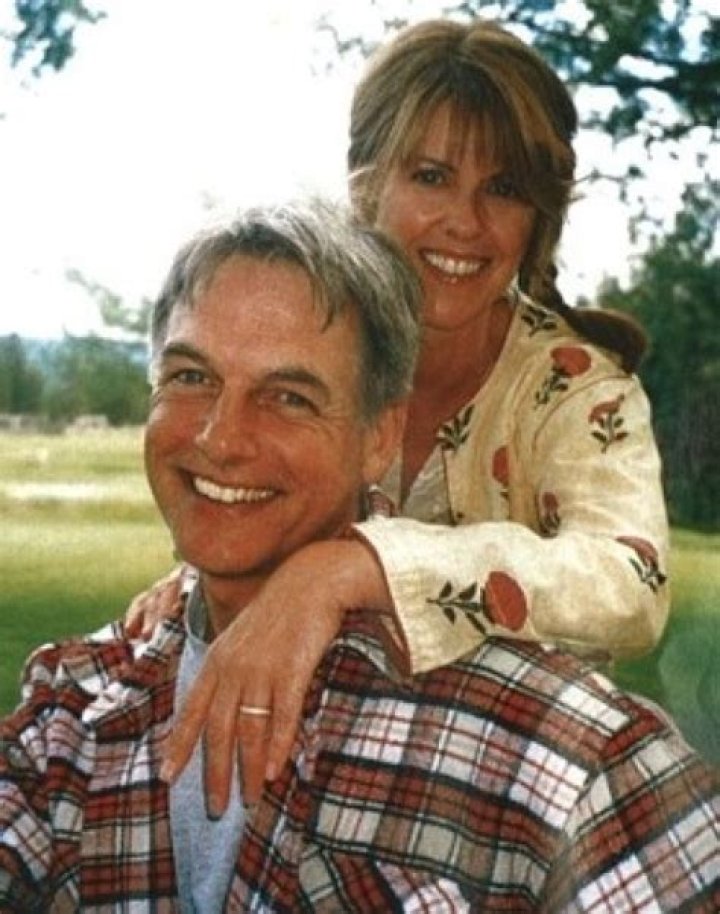
Frances Gladney, a pioneering American social worker and adoption advocate, is best known for her tireless efforts in promoting and reforming adoption practices in the United States during the 20th century.
Born in 1880 in Texas, Gladney dedicated her life to improving the lives of orphaned and abandoned children. In 1913, she founded the Texas Children's Home and Aid Society (now known as Gladney Center for Adoption), one of the first licensed, nonsectarian adoption agencies in the country. Throughout her career, Gladney worked to establish ethical and compassionate adoption policies, advocating for the rights and well-being of both children and adoptive parents.
Gladney's groundbreaking work had a profound impact on the field of adoption. She developed innovative approaches to matching children with suitable adoptive homes and advocated for open adoption, which allows for ongoing contact between birth and adoptive families. Her tireless efforts helped pave the way for countless children to find loving and stable homes.
Frances Gladney
Frances Gladney, a pioneering American social worker and adoption advocate, dedicated her life to improving the lives of orphaned and abandoned children. Here are ten key aspects of her work and legacy:
- Founder: Established the Texas Children's Home and Aid Society (now Gladney Center for Adoption) in 1913.
- Advocate: Championed ethical and compassionate adoption policies, prioritizing the rights and well-being of children and adoptive parents.
- Trailblazer: Developed innovative approaches to matching children with suitable adoptive homes.
- Pioneer: Advocated for open adoption, facilitating ongoing contact between birth and adoptive families.
- Reformer: Worked to improve adoption laws and practices, ensuring the safety and well-being of all parties involved.
- Educator: Trained social workers and adoption professionals, sharing her expertise and best practices.
- Author: Published books and articles on adoption, shaping the field's understanding and practices.
- Leader: Served as president of the Child Welfare League of America, advocating for national adoption reforms.
- Visionary: Envisioned a world where every child had a loving and stable home.
- Legacy: Her groundbreaking work has touched the lives of countless children and families, transforming the field of adoption.
Gladney's unwavering commitment to adoption reform and her compassionate approach to social work left an indelible mark on the lives of countless children. Her legacy continues to inspire and guide adoption professionals and advocates today.
| Name: | Frances Gladney |
| Born: | 1880, Texas |
| Died: | 1963, Texas |
| Occupation: | Social worker, adoption advocate |
| Known for: | Founding Gladney Center for Adoption, promoting ethical adoption practices, advocating for open adoption |
Founder
Frances Gladney's founding of the Texas Children's Home and Aid Society in 1913 was a pivotal moment in her career and a significant milestone in the history of adoption in the United States. This institution, now known as Gladney Center for Adoption, became a model for ethical and compassionate adoption practices, leaving a lasting legacy on the field.
- Innovative Adoption Practices: Gladney Center pioneered innovative approaches to adoption, including matching children with suitable adoptive homes based on factors such as personality, interests, and family dynamics. This individualized approach aimed to create stable and fulfilling placements for children.
- Emphasis on Social Work: Gladney Center placed great emphasis on social work principles, ensuring that both children and adoptive parents received comprehensive support and guidance throughout the adoption process. This included providing counseling, education, and ongoing follow-up services.
- Advocacy for Open Adoption: Gladney Center was a strong advocate for open adoption, which allows for ongoing contact between birth and adoptive families. Gladney believed that this approach could provide children with a sense of their identity and a connection to their biological roots.
- National Influence: Gladney Center's success and innovative practices gained national recognition. Gladney herself served as president of the Child Welfare League of America, where she advocated for adoption reforms and shared her expertise with other professionals.
Gladney's founding of the Texas Children's Home and Aid Society was a testament to her unwavering commitment to improving the lives of orphaned and abandoned children. By establishing an agency that prioritized ethical practices and compassionate care, she left an enduring legacy that continues to shape the field of adoption today.
Advocate
Frances Gladney's unwavering advocacy for ethical and compassionate adoption policies was the driving force behind her lifelong work. She recognized that adoption was not just a legal process but a profound human experience that should be conducted with the utmost care and consideration for the well-being of all parties involved.
Gladney's advocacy efforts took many forms. She tirelessly lobbied for legislation that would protect the rights of both children and adoptive parents. She also developed innovative adoption practices that prioritized the best interests of the child, including individualized matching processes and comprehensive support services.
One of Gladney's most significant contributions was her advocacy for open adoption. She believed that children should have the opportunity to know their biological roots and maintain a connection with their birth families. Open adoption policies, which allow for varying degrees of contact between birth and adoptive families, were pioneered at Gladney Center for Adoption and have since become a widely accepted practice.
Gladney's legacy as an advocate for ethical and compassionate adoption continues to shape the field today. Her work helped to establish adoption as a safe, loving, and fulfilling path for children in need of permanent homes.
Trailblazer
Frances Gladney's groundbreaking work in developing innovative approaches to matching children with suitable adoptive homes left a lasting impact on the field of adoption. Her methods prioritized the unique needs and circumstances of each child, resulting in more stable and fulfilling placements.
- Individualized Matching: Gladney recognized that each child and adoptive family had unique needs and circumstances. Her matching process took into account factors such as personality, interests, family dynamics, and cultural background to ensure the best possible fit for both parties.
- Home Studies and Preparation: Gladney emphasized the importance of thorough home studies and preparation for adoptive parents. Her agency provided comprehensive training and support to ensure that families were well-equipped to provide a loving and stable environment for adopted children.
- Collaboration with Professionals: Gladney believed in the importance of collaboration with other professionals, including social workers, psychologists, and medical experts. This collaborative approach allowed for a comprehensive assessment of each child's needs and the identification of the most suitable adoptive homes.
- Ongoing Support: Gladney understood that the adoption process did not end with the placement of a child in a new home. Her agency provided ongoing support and counseling to both adoptive families and birth families, helping them navigate the challenges and joys of adoption throughout the years.
Gladney's innovative matching approaches have had a profound impact on the field of adoption. By prioritizing the well-being and needs of both children and adoptive parents, she helped to create a more equitable and successful adoption process for all involved.
Pioneer
Frances Gladney's pioneering advocacy for open adoption was a groundbreaking approach that challenged the traditional secrecy surrounding adoption practices. She believed that children should have the opportunity to know their biological roots and maintain a connection with their birth families.
- Benefits for Children: Open adoption provides children with a sense of identity and belonging, allowing them to understand their own history and cultural background. It also facilitates ongoing relationships with birth family members, which can provide emotional support and stability.
- Benefits for Birth Families: Open adoption allows birth families to maintain a connection with their child and have peace of mind knowing their well-being. It also provides an opportunity for birth parents to share their child's life events and milestones, even if they are not directly involved in their upbringing.
- Benefits for Adoptive Families: Open adoption can provide adoptive families with valuable information about their child's medical and social history. It also facilitates communication with birth family members, which can help the child understand their adoption story and feel supported.
- Challenges and Considerations: Open adoption requires careful planning and ongoing communication between all parties involved. It is important to establish clear boundaries and expectations while also maintaining a respectful and supportive environment for all.
Gladney's advocacy for open adoption has had a profound impact on the field. It has helped to create a more transparent and child-centered approach to adoption, recognizing the importance of maintaining connections and preserving the identity of all parties involved.
Reformer
Frances Gladney's unwavering commitment to reforming adoption laws and practices was a defining aspect of her career. She recognized that the legal framework surrounding adoption had a profound impact on the safety and well-being of children, adoptive parents, and birth families.
- Legal Safeguards: Gladney advocated for the establishment of clear legal safeguards to protect the rights of all parties involved in adoption. This included ensuring that children were placed in stable and loving homes, that adoptive parents were thoroughly screened and prepared, and that birth families had access to counseling and support.
- Adoption Standards: Gladney played a key role in developing and promoting national adoption standards. These standards aimed to ensure that all adoption agencies operated in a responsible and ethical manner, prioritizing the best interests of children.
- Post-Placement Support: Gladney recognized the importance of ongoing support for adoptive families after the placement of a child. She advocated for policies that provided access to counseling, financial assistance, and other resources to help families navigate the challenges and joys of adoption.
- Collaboration with Policymakers: Gladney actively collaborated with policymakers and legislators to promote adoption reforms. She testified before congressional committees, provided expert testimony, and organized grassroots campaigns to advocate for changes in adoption laws and practices.
Gladney's tireless efforts as a reformer left a lasting legacy on the field of adoption. Her work helped to create a more equitable and just system that safeguards the well-being of all parties involved in the adoption process.
Educator
Frances Gladney's role as an educator was integral to her lifelong commitment to improving the field of adoption. She recognized that the quality of adoption services depended on the knowledge and skills of the professionals involved.
- Training and Workshops: Gladney developed and conducted training programs for social workers and adoption professionals, sharing her expertise in ethical adoption practices, individualized matching, and post-placement support.
- Curriculum Development: She collaborated with universities and colleges to develop adoption-related courses and curricula, ensuring that future professionals were equipped with the latest knowledge and best practices.
- Mentorship and Supervision: Gladney provided mentorship and supervision to countless social workers and adoption professionals, guiding their development and ensuring the highest standards of practice.
- Publications and Presentations: Gladney authored numerous articles, books, and presentations on adoption, sharing her insights and advocating for evidence-based practices.
Gladney's educational efforts had a profound impact on the field of adoption. By training and inspiring social workers and adoption professionals, she helped to raise the standards of practice and ensure that children, adoptive parents, and birth families received the support and guidance they needed throughout the adoption process.
Author
Frances Gladney's prolific writing on adoption played a pivotal role in shaping the field's understanding and practices. Her books and articles provided a wealth of knowledge and insights, influencing the way professionals and policymakers approached adoption.
Gladney's writings covered a wide range of topics, including ethical adoption practices, individualized matching, and the importance of post-placement support. She shared her expertise on the legal and social aspects of adoption, advocating for reforms that would protect the rights of all parties involved.
One of Gladney's most significant contributions was her emphasis on the child's perspective in adoption. She believed that children should have a voice in the process and that their needs should be paramount. Her writings helped to shift the focus of adoption from a legal transaction to a child-centered approach.
Gladney's work has had a lasting impact on the field of adoption. Her books and articles continue to be used as textbooks and reference materials by social workers, adoption professionals, and policymakers. Her legacy as an author and thought leader continues to inspire and guide the work of those dedicated to improving the lives of children through adoption.
Leader
Frances Gladney's leadership as president of the Child Welfare League of America (CWLA) was a pivotal moment in her career and a testament to her unwavering commitment to improving the lives of children through adoption.
During her tenure as president, Gladney used her platform to advocate for comprehensive adoption reforms at the national level. She worked closely with policymakers, social workers, and adoption professionals to develop and implement policies that would safeguard the rights and well-being of children, adoptive parents, and birth families.
One of Gladney's most significant contributions as CWLA president was her advocacy for the Adoption Assistance and Child Welfare Act of 1980. This landmark legislation provided federal funding for adoption services, including subsidies for adoptive parents and support for birth mothers. It also established national adoption standards, ensuring that all adoption agencies operated in a responsible and ethical manner.
Gladney's leadership and advocacy at the national level had a profound impact on the field of adoption. She helped to raise awareness of the importance of adoption and played a key role in shaping the policies and practices that continue to guide adoption in the United States today.
Visionary
Frances Gladney was a visionary leader who dedicated her life to making her dream of a world where every child had a loving and stable home a reality. Her unwavering belief in the power of adoption as a means to achieve this goal drove her tireless efforts to reform adoption practices and advocate for the rights of children.
Gladney recognized that many children in the early 20th century were living in orphanages or other institutions, often in deplorable conditions. She believed that every child deserved to grow up in a family that could provide them with love, support, and a sense of belonging. Adoption, she argued, was a way to break the cycle of poverty and neglect that so many children faced.
Gladney's vision of a world where every child had a loving and stable home had a profound impact on the field of adoption. Her work helped to establish adoption as a safe and ethical way to create families, and her advocacy for open adoption allowed children to maintain connections with their birth families.
Today, Gladney's vision continues to inspire adoption professionals and policymakers around the world. Her legacy is a reminder that every child deserves a chance to thrive in a loving and stable home.
Legacy
Frances Gladney's groundbreaking work in the field of adoption has left an indelible legacy that continues to impact countless lives today. Her unwavering commitment to ethical and compassionate practices, coupled with her innovative approaches to matching children with suitable adoptive homes, has transformed the adoption landscape, making it a more equitable and fulfilling experience for all involved.
Gladney's advocacy for open adoption, which allows for ongoing contact between birth and adoptive families, has been particularly significant. By recognizing the importance of maintaining connections and preserving the identity of all parties, she challenged traditional adoption practices that often prioritized secrecy and separation. Her efforts have empowered adopted children with a sense of belonging and a deeper understanding of their own history, while also providing birth families with peace of mind and the opportunity to share in their child's life.
The practical significance of Gladney's legacy is evident in the countless success stories of adopted children and families. Her work has helped to create a more just and equitable system that safeguards the rights and well-being of all parties involved in the adoption process. Her vision of a world where every child has a loving and stable home continues to inspire adoption professionals and policymakers around the globe, ensuring that her legacy will continue to shape the field of adoption for generations to come.
FAQs About Frances Gladney
This section addresses frequently asked questions and misconceptions surrounding Frances Gladney's contributions to the field of adoption.
Question 1: What was Frances Gladney's primary focus and area of expertise?
Frances Gladney was a pioneering American social worker and adoption advocate. She dedicated her life to improving the lives of orphaned and abandoned children, and her primary focus was on promoting ethical and compassionate adoption practices.
Question 2: What are some of Gladney's key contributions to the field of adoption?
Gladney's groundbreaking work includes establishing the Texas Children's Home and Aid Society (now known as Gladney Center for Adoption), advocating for open adoption, developing innovative approaches to matching children with suitable adoptive homes, and tirelessly working to improve adoption laws and practices.
Question 3: How did Gladney's advocacy for open adoption impact the field?
Gladney's advocacy for open adoption, which allows for ongoing contact between birth and adoptive families, was a groundbreaking approach that challenged traditional adoption practices. Her efforts have empowered adopted children with a sense of belonging and a deeper understanding of their own history, while also providing birth families with peace of mind and the opportunity to share in their child's life.
Question 4: What are some of the key principles that guided Gladney's work in adoption?
Gladney's work was guided by principles such as prioritizing the rights and well-being of children, ensuring ethical and compassionate adoption practices, supporting ongoing contact between birth and adoptive families, and working to create a world where every child has a loving and stable home.
Question 5: How is Gladney's legacy still relevant today?
Gladney's legacy continues to shape the field of adoption today. Her innovative approaches to adoption and her unwavering commitment to the well-being of children have laid the foundation for modern adoption practices, ensuring that children in need have the opportunity to find loving and stable homes.
Question 6: What are some ways to honor Gladney's legacy and continue her work?
Honoring Gladney's legacy involves supporting ethical and compassionate adoption practices, advocating for the rights of children in need, and working towards a future where every child has a loving and stable home. By continuing her mission, we can ensure that Gladney's vision becomes a reality for generations to come.
These FAQs provide a comprehensive overview of Frances Gladney's contributions to the field of adoption and her lasting impact on the lives of countless children and families.
Transition to the next article section: Frances Gladney's legacy is a testament to the power of one person's dedication to improving the lives of children. Her unwavering commitment to ethical and compassionate adoption practices has transformed the field and continues to inspire those working to create a better future for children in need.
Adoption Tips Inspired by Frances Gladney's Legacy
Frances Gladney's unwavering commitment to ethical and compassionate adoption practices has left a lasting legacy in the field. Her insights and experience provide valuable guidance for those involved in the adoption process.
Tip 1: Prioritize the Well-being of the Child
Gladney believed that the child's best interests should always be paramount in adoption decisions. This means considering the child's physical, emotional, and social needs when matching them with a suitable adoptive family.
Tip 2: Ensure Ethical and Compassionate Practices
Gladney advocated for transparency and honesty throughout the adoption process. This includes providing accurate information to both birth and adoptive families, respecting the rights of all parties involved, and upholding the highest ethical standards.
Tip 3: Support Open and Honest Communication
Gladney recognized the importance of open and honest communication between birth and adoptive families. This can help build trust, provide support, and facilitate a sense of belonging for the child.
Tip 4: Provide Ongoing Support and Resources
Adoption is a lifelong journey, and both adoptive families and birth families may need support and resources along the way. Gladney emphasized the importance of providing access to counseling, support groups, and other services to ensure the well-being of all parties involved.
Tip 5: Advocate for Legal Protections and Reforms
Gladney tirelessly advocated for legal protections and reforms to safeguard the rights of children in adoption. This included ensuring that adoption laws prioritize the best interests of the child and provide a fair and equitable process for all.
Summary:
By embracing these tips inspired by Frances Gladney's legacy, individuals and organizations involved in adoption can help create a more ethical, compassionate, and fulfilling experience for all parties involved. Her vision of a world where every child has a loving and stable home continues to guide the field of adoption today.
Transition to the article's conclusion:
Frances Gladney's dedication to improving the lives of children through adoption has left an indelible mark on the field. By following these tips, we can honor her legacy and work towards a future where every child has the opportunity to thrive in a loving and supportive environment.
Conclusion
Frances Gladney's unwavering commitment to adoption reform and her compassionate approach to social work left an indelible mark on the field of adoption. Her pioneering work established ethical and compassionate adoption practices, prioritized the rights and well-being of children, and championed open adoption. Through her tireless efforts, Gladney helped countless children find loving and stable homes, transforming the lives of individuals, families, and communities.
Gladney's legacy continues to inspire and guide adoption professionals and advocates today. Her vision of a world where every child has a loving and stable home remains a guiding principle for those working in the field. By embracing ethical practices, supporting open and honest communication, and advocating for the well-being of all parties involved, we can honor Gladney's legacy and work towards a future where every child has the opportunity to thrive.
Unlocking The Secrets Of NLP With Dr. Marc Mallory
Unveiling The Inspiring Journey Of Holly Furtick
Unraveling The Significance Of Hania Aamir's Age: Discoveries And Insights