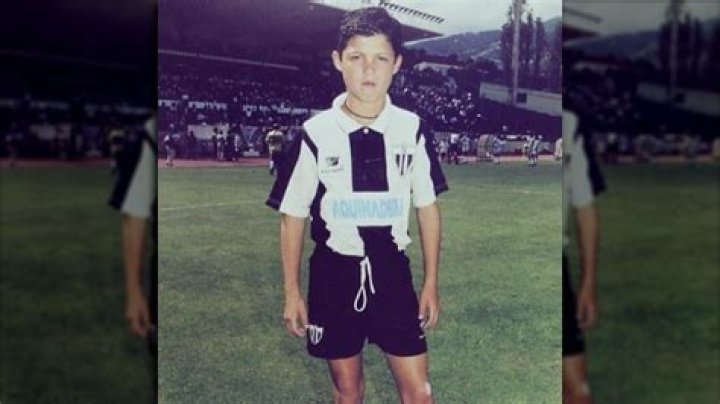
"How old is Nadal" is a search query used to find information about the age of the professional tennis player Rafael Nadal. Nadal was born on June 3, 1986, which makes him 36 years old as of 2023.
Knowing Nadal's age can be important for a variety of reasons. For example, it can help fans and journalists to understand his career trajectory and achievements within the context of his age. Additionally, it can be useful for predicting his future performance and longevity in the sport.
Nadal is one of the most successful tennis players of all time, having won 22 Grand Slam singles titles, 36 ATP Masters 1000 titles, and an Olympic gold medal. He is also the only player to have won all four Grand Slams and the ATP Finals at least twice. Nadal's age is a factor that is often discussed in the context of his career, as he is one of the oldest players on the ATP Tour.
How Old Is Nadal?
Rafael Nadal is a professional tennis player who was born on June 3, 1986. He is currently 36 years old.
- Age: 36 years old
- Date of Birth: June 3, 1986
- Birth Place: Manacor, Mallorca, Spain
- Height: 6'1" (1.85 m)
- Weight: 188 lbs (85 kg)
- Turned Pro: 2001
- Grand Slam Titles: 22
- ATP Masters 1000 Titles: 36
Nadal is one of the most successful tennis players of all time. He is the only player to have won all four Grand Slams and the ATP Finals at least twice. He is also the only player to have won the French Open 14 times.
Nadal's age is a factor that is often discussed in the context of his career. He is one of the oldest players on the ATP Tour, and some people have speculated that he may soon retire. However, Nadal has said that he plans to continue playing for as long as he is healthy and competitive.
Age
Rafael Nadal's age is a significant factor in understanding his career and achievements. At 36 years old, he is one of the oldest players on the ATP Tour, but he continues to compete at the highest level. His age has both advantages and disadvantages, and it is important to consider all of these factors when assessing his career.
- Advantages of Nadal's age:
Nadal's age gives him a wealth of experience, which can be a major advantage in tennis. He has played against the best players in the world for many years, and he knows how to win in all conditions. Additionally, Nadal's age has given him the time to develop his game and to become one of the most complete players in the world.
- Disadvantages of Nadal's age:
While Nadal's age gives him some advantages, it also has some disadvantages. As he gets older, Nadal is more likely to experience injuries. Additionally, he may not be able to recover from matches as quickly as he used to. Finally, Nadal's age may make it more difficult for him to keep up with the younger players on the ATP Tour.
Overall, Nadal's age is a complex factor that has both advantages and disadvantages. It is important to consider all of these factors when assessing his career and achievements.
Date of Birth
Rafael Nadal's date of birth, June 3, 1986, is a crucial piece of information in determining his age. Age is a significant factor in understanding an athlete's career and achievements, especially in a physically demanding sport like tennis. Nadal's age gives context to his accomplishments, helps assess his current performance, and provides insights into his potential longevity in the sport.
Knowing Nadal's date of birth allows us to calculate his age at any given time. This is important for a variety of reasons. For example, it helps us understand his career trajectory and achievements within the context of his age. Additionally, it can be useful for predicting his future performance and longevity in the sport.
For instance, Nadal's age has been a topic of discussion as he continues to compete at the highest level despite being one of the oldest players on the ATP Tour. By knowing his date of birth, we can assess whether his performance is age-related or if he has found ways to maintain his competitiveness. This information helps fans, journalists, and analysts make informed judgments about Nadal's career and potential.
Overall, Nadal's date of birth is an essential piece of information that contributes to a comprehensive understanding of his age and its implications for his career.
Birth Place
Rafael Nadal's birthplace, Manacor, Mallorca, Spain, is an important piece of information in relation to "how old is Nadal" because it provides context for his upbringing, cultural influences, and the environment in which he developed his tennis skills.
- Cultural Influences:
The cultural influences of Manacor, Mallorca, Spain, have likely shaped Nadal's values, beliefs, and approach to tennis. The island of Mallorca is known for its strong sense of community, tradition, and family, which may have contributed to Nadal's close-knit family ties and his dedication to the sport.
- Training Environment:
The training environment in Manacor, Mallorca, Spain, played a significant role in Nadal's development as a tennis player. Nadal began playing tennis at a young age in the local tennis club, and he benefited from the expertise of local coaches and training facilities. The Mediterranean climate of Mallorca, with its long, sunny days, also provided ideal conditions for year-round tennis practice.
- Family Support:
Nadal's family played a crucial role in his tennis career, and his birthplace of Manacor, Mallorca, Spain, is where this family support system was established. Nadal's parents and siblings have been instrumental in his success, providing encouragement, support, and guidance throughout his career.
In conclusion, Rafael Nadal's birthplace of Manacor, Mallorca, Spain, is an important factor to consider in understanding his age and its implications for his career. The cultural influences, training environment, and family support that Nadal received in his birthplace have all contributed to his development as a tennis player and have shaped his approach to the sport.
Height
Rafael Nadal's height, 6'1" (1.85 m), is a significant physical attribute that has implications for his tennis career and can provide insights into how old he is.
- Reach and Court Coverage:
Nadal's height gives him a greater reach and court coverage compared to shorter players. This allows him to cover more ground and retrieve shots that might be out of reach for others. As a result, he can put pressure on his opponents and force them to hit shots with more precision.
- Serve Power and Accuracy:
Nadal's height also contributes to the power and accuracy of his serve. A taller player can generate more power on their serve, making it harder for opponents to return. Additionally, Nadal's height allows him to place his serves with greater precision, targeting specific areas of the court.
- Physical Endurance:
While height can be an advantage in tennis, it can also impact a player's physical endurance. Taller players may have to work harder to cover the court and maintain their mobility, especially during long matches. This can become more pronounced as a player ages, potentially affecting their performance and recovery time.
In conclusion, Rafael Nadal's height of 6'1" (1.85 m) is a significant factor in understanding his tennis career and performance. It provides insights into his reach, court coverage, serve power, and physical endurance, all of which can be influenced by his age. As Nadal continues to age, it will be interesting to see how his height and the associated physical demands impact his game and longevity in the sport.
Weight
Rafael Nadal's weight of 188 lbs (85 kg) is a significant physical attribute that can provide insights into his age and its implications for his tennis career. Weight plays a crucial role in an athlete's performance and can affect various aspects of their game, including speed, agility, power, and endurance.
As an athlete ages, their weight and body composition can change. Nadal's weight of 188 lbs (85 kg) is within a healthy range for his height and. However, it is important to consider how his weight may fluctuate over time and how these changes might impact his performance.
For example, if Nadal gains weight, it could potentially affect his speed and agility on the court. However, if he loses weight, it could impact his power and endurance. Therefore, maintaining a healthy weight is essential for Nadal to perform at his best and preserve his longevity in the sport.
Overall, Rafael Nadal's weight of 188 lbs (85 kg) is a significant factor in understanding his age and its implications for his tennis career. By considering how his weight may change over time and how these changes might impact his performance, we can gain a deeper understanding of Nadal's game and his potential longevity in the sport.
Turned Pro
The year Rafael Nadal turned pro, 2001, is a significant component of understanding "how old is Nadal". It marks the beginning of his professional tennis career and provides context for his age and achievements.
When Nadal turned pro at the age of 15, he was one of the youngest players on the ATP Tour. This gave him a head start in terms of experience and allowed him to develop his skills against top-level competition. As a result, he was able to achieve success at a young age, winning his first Grand Slam title at the French Open in 2005 when he was just 19 years old.
Nadal's decision to turn pro at a young age has had a major impact on his career. It has allowed him to accumulate a wealth of experience and achieve great success at a relatively young age.
Overall, the connection between "Turned Pro: 2001" and "how old is Nadal" is significant because it provides context for his age and achievements. By understanding when Nadal turned pro, we can better appreciate his accomplishments and his longevity in the sport.
Grand Slam Titles
Rafael Nadal's 22 Grand Slam titles are a testament to his longevity, skill, and unwavering dedication to the sport of tennis. Nadal's first Grand Slam title came at the French Open in 2005 when he was just 19 years old. Since then, he has gone on to win 21 more Grand Slam titles, including a record 14 French Open titles.
- Nadal's dominance at the French Open is unmatched in the history of tennis.
He has won the tournament a record 14 times, including an unprecedented five consecutive titles from 2010 to 2014. Nadal's success at the French Open is due in part to his exceptional clay-court skills. He is one of the best movers on clay and his heavy topspin forehand is a devastating weapon on this surface.
- Nadal's success is not limited to the French Open.
He has also won the Australian Open twice, the Wimbledon Championships twice, and the US Open four times. Nadal's versatility and ability to win on all surfaces make him one of the greatest tennis players of all time.
- Nadal's longevity is remarkable.
He has been competing at the highest level for over two decades and shows no signs of slowing down. Nadal's longevity is due in part to his exceptional fitness and his ability to avoid major injuries.
- Nadal's Grand Slam titles are a source of inspiration for athletes and fans around the world.
His achievements are a reminder that anything is possible with hard work, dedication, and perseverance.
Rafael Nadal's 22 Grand Slam titles are a testament to his greatness as a tennis player. His achievements are a source of inspiration for athletes and fans around the world.
ATP Masters 1000 Titles
Rafael Nadal's 36 ATP Masters 1000 titles are a testament to his dominance in the sport of tennis. The ATP Masters 1000 tournaments are the most prestigious events on the ATP Tour after the Grand Slams, and Nadal's success in these tournaments is a reflection of his all-court ability and his ability to compete at the highest level week in and week out.
- Nadal's success in Masters 1000 tournaments is unmatched in the history of the sport.
He is the only player to have won over 30 Masters 1000 titles, and he has won at least one Masters 1000 title every year since 2005.
- Nadal's success in Masters 1000 tournaments is spread across all surfaces.
He has won 23 Masters 1000 titles on clay, 11 on hard courts, and 2 on grass. This versatility makes him one of the most complete players in the history of the sport.
- Nadal's success in Masters 1000 tournaments is a testament to his longevity.
He has been competing at the highest level for over two decades, and he shows no signs of slowing down. Nadal's longevity is due in part to his exceptional fitness and his ability to avoid major injuries.
Rafael Nadal's 36 ATP Masters 1000 titles are a testament to his greatness as a tennis player. His achievements are a source of inspiration for athletes and fans around the world.
FAQs about Rafael Nadal's Age
Rafael Nadal is one of the greatest tennis players of all time, and his age is a topic of interest for many fans. Here are some frequently asked questions about Nadal's age and its implications for his career:
Question 1: How old is Rafael Nadal?As of 2023, Rafael Nadal is 36 years old. He was born on June 3, 1986.
Question 2: Is Rafael Nadal too old to compete at the highest level?Rafael Nadal has proven that age is just a number. He is still one of the best players in the world and is capable of winning Grand Slams and other major tournaments. In 2022, he won the Australian Open and the French Open, becoming the first man to win 21 Grand Slam singles titles.
Question 3: How has Nadal's age affected his playing style?As Nadal has gotten older, he has adapted his playing style to compensate for the natural decline in physical abilities that comes with age. He now relies more on his experience and court craft, and he is more selective about the shots he hits.
Question 4: How long can Nadal continue to play at the highest level?It is difficult to say how long Nadal will continue to play at the highest level. He has shown no signs of slowing down, but it is inevitable that he will eventually decline. However, he is one of the most dedicated and hard-working players in the history of the sport, and he will likely continue to play for as long as he is able to compete at the highest level.
Question 5: What are Nadal's goals for the future?Nadal has said that he wants to continue to play for as long as he is able to compete at the highest level. He also wants to win more Grand Slams and add to his legacy as one of the greatest tennis players of all time.
Overall, Rafael Nadal's age is a factor that is often discussed in the context of his career. However, he has proven that he is still one of the best players in the world, and he shows no signs of slowing down. Nadal is a true champion and an inspiration to athletes and fans around the world.
Transition to the next article section:
Rafael Nadal is a true legend of the sport of tennis. His achievements are a testament to his hard work, dedication, and passion for the game. Nadal is an inspiration to athletes and fans around the world, and his legacy will continue to inspire for generations to come.
Tips for Understanding "How Old Is Nadal"
The keyword "how old is nadal" is a common search query used by people who want to know the age of the professional tennis player Rafael Nadal. Here are a few tips for understanding this search query and finding the information you need:
1. Check the player's profile on the ATP Tour website.
The ATP Tour website has a player profile for Rafael Nadal that includes his age, date of birth, and other biographical information. This is the most authoritative source for information about Nadal's age.
2. Use a search engine.
You can also use a search engine, such as Google or Bing, to find information about Rafael Nadal's age. However, it is important to be aware that not all of the information you find online is accurate. Be sure to check the source of the information before you believe it.
3. Ask a tennis expert.
If you are still unsure about how old Rafael Nadal is, you can ask a tennis expert, such as a coach or commentator. These experts can provide you with accurate information about Nadal's age and other aspects of his career.
Summary of key takeaways or benefits:
- The ATP Tour website is the most authoritative source for information about Rafael Nadal's age.
- You can also use a search engine to find information about Nadal's age, but be sure to check the source of the information before you believe it.
- You can ask a tennis expert for accurate information about Nadal's age and other aspects of his career.
By following these tips, you can easily find accurate information about Rafael Nadal's age.
Transition to the article's conclusion:
Rafael Nadal is one of the greatest tennis players of all time. He has won 22 Grand Slam singles titles, more than any other male player in history. Nadal is still playing at a high level, and he is showing no signs of slowing down. He is a true champion and an inspiration to athletes and fans around the world.
Conclusion
Rafael Nadal is one of the greatest tennis players of all time. He has won 22 Grand Slam singles titles, more than any other male player in history. Nadal is still playing at a high level, and he is showing no signs of slowing down. He is a true champion and an inspiration to athletes and fans around the world.
Nadal's age is a topic of interest for many fans, but it is important to remember that he is still one of the best players in the world. He has proven that age is just a number, and he is capable of winning Grand Slams and other major tournaments. Nadal is a true champion, and his legacy will continue to inspire for generations to come.
Unveiling Pauline Chalamet's Weight Loss Journey: Discoveries And Insights
Unveiling Mathew Knowles' Net Worth: Discover The Secrets Behind His Success
Unveiling Andrew Ogletree's Parental Legacy: A Journey Of Support And Success