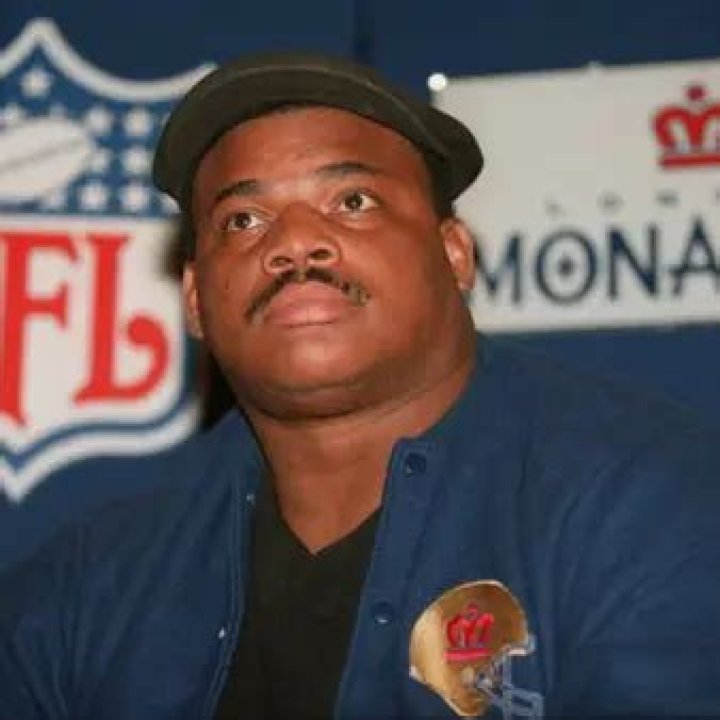
"Blacklist Kurt Perez" is a term used to describe the practice of excluding or banning an individual named Kurt Perez from participating in a particular activity or group.
This practice can be implemented for various reasons, such as violating rules, engaging in misconduct, or posing a perceived threat to the organization or community. Blacklisting can have significant consequences for the affected individual, potentially limiting their opportunities and reputation.
In some cases, blacklisting may be a necessary measure to protect the interests of a group or organization. However, it is important to ensure that such actions are carried out fairly and in accordance with established procedures to avoid any potential misuse or discrimination.
Blacklist Kurt Perez
The term "blacklist Kurt Perez" encompasses various aspects related to the practice of excluding or banning an individual named Kurt Perez from participating in a particular activity or group. Here are nine key aspects to consider:
- Definition: Exclusion or prohibition of an individual from participation.
- Reasons: Rule violations, misconduct, perceived threats.
- Consequences: Limited opportunities, damaged reputation.
- Justification: Protecting group or organizational interests.
- Fairness: Importance of fair and impartial implementation.
- Potential Misuse: Risk of discrimination or abuse.
- Alternatives: Exploring other measures before resorting to blacklisting.
- Rehabilitation: Opportunities for individuals to address underlying issues and regain participation.
- Legal Implications: Compliance with applicable laws and regulations.
These aspects highlight the multifaceted nature of blacklisting, emphasizing the importance of careful consideration and fair implementation. Blacklisting should not be seen as a permanent or irreversible measure, and opportunities for rehabilitation and reintegration should be explored where appropriate.
Definition
Within the context of "blacklist Kurt Perez," this definition captures the essence of the practice. Blacklisting involves excluding or prohibiting an individual from participating in a particular activity or group, often as a consequence of rule violations, misconduct, or perceived threats. This exclusion can manifest in various forms, such as denying access to events, services, or platforms.
- Facet 1: Exclusion from Physical Spaces
Blacklisting may involve barring individuals from entering physical spaces, such as workplaces, schools, or public venues. This can have significant implications for the affected individual, limiting their ability to work, learn, or engage in social activities.
- Facet 2: Denial of Services or Resources
Blacklisting can also extend to denying individuals access to essential services or resources. This could include blocking access to financial accounts, healthcare, or educational opportunities. Such measures can severely impact an individual's well-being and prospects.
- Facet 3: Prohibition from Online Platforms
In the digital age, blacklisting can take the form of prohibiting individuals from participating in online platforms and communities. This can include banning users from social media, online forums, or e-commerce websites.
- Facet 4: Reputation Damage and Social Isolation
Blacklisting can also damage an individual's reputation and lead to social isolation. Publicly identifying someone as being blacklisted can create a stigma, making it difficult for them to rebuild their lives and relationships.
These facets illustrate the far-reaching consequences of blacklisting, extending beyond mere exclusion to encompass a range of negative impacts on an individual's life and opportunities.
Reasons
In the context of "blacklist Kurt Perez," the reasons for blacklisting typically fall into three categories: rule violations, misconduct, and perceived threats. Understanding these reasons is crucial for a comprehensive analysis of the practice and its implications.
- Facet 1: Rule Violations
Blacklisting may be imposed as a consequence of violating established rules or regulations. This could include breaking laws, violating workplace policies, or breaching terms of service for online platforms. Rule violations can range in severity, from minor infractions to serious offenses.
- Facet 2: Misconduct
Blacklisting can also result from engaging in misconduct, which refers to inappropriate or unethical behavior. This could include actions such as harassment, discrimination, or fraud. Misconduct can damage the reputation of an individual or organization and may warrant blacklisting to protect others from potential harm.
- Facet 3: Perceived Threats
In some cases, blacklisting may be implemented based on perceived threats, even if no specific rules or misconduct have been violated. This could involve individuals who are seen as a potential risk to security, stability, or public order. Perceived threats can be subjective and open to interpretation, which raises concerns about the potential for abuse or discrimination.
These three reasons highlight the complex and multifaceted nature of blacklisting. While rule violations and misconduct often provide clear justifications for exclusion, perceived threats can be more controversial and require careful scrutiny to ensure fairness and prevent abuse.
Consequences
Blacklisting often entails severe consequences for the affected individual, including limited opportunities and damaged reputation. These consequences are closely interconnected and can have a profound impact on one's life and well-being.
Limited opportunities arise from blacklisting as individuals may be denied access to employment, education, or other essential services. This can create significant barriers to personal and professional growth, making it difficult for blacklisted individuals to rebuild their lives and livelihoods.
Furthermore, blacklisting can severely damage an individual's reputation. Publicly identifying someone as being blacklisted can create a stigma and make it difficult for them to regain trust and acceptance within their community. This can lead to social isolation, discrimination, and further limitations on opportunities.
Understanding the connection between "Consequences: Limited opportunities, damaged reputation." and "blacklist kurt perez" is crucial because it highlights the potential severity of this practice. Blacklisting can have long-lasting and far-reaching consequences that can profoundly impact an individual's life and well-being.
Justification
In the context of "blacklist kurt perez," the justification for blacklisting often centers around protecting the interests of a group or organization. This can take various forms, including safeguarding members from potential harm, preserving the integrity of the group, and maintaining organizational stability.
- Facet 1: Protecting Members from Potential Harm
Blacklisting may be employed to protect members of a group from individuals who pose a perceived threat to their safety or well-being. This could include individuals with a history of violence, harassment, or other harmful behavior.
- Facet 2: Preserving the Integrity of the Group
Blacklisting can also serve to preserve the integrity of a group by excluding individuals whose values or actions are seen as incompatible with the group's mission or reputation. This could involve individuals who engage in unethical conduct, violate group norms, or otherwise damage the group's standing.
- Facet 3: Maintaining Organizational Stability
In organizational settings, blacklisting may be used to maintain stability and productivity. This could involve excluding individuals who repeatedly violate workplace policies, engage in disruptive behavior, or pose a risk to the organization's reputation or financial well-being.
- Facet 4: Balancing Individual Rights and Group Interests
Blacklisting raises important questions about the balance between individual rights and group interests. While protecting the group is essential, it is equally important to ensure that blacklisting is not used to unfairly target or discriminate against individuals.
Understanding the connection between "Justification: Protecting group or organizational interests." and "blacklist kurt perez" is crucial because it highlights the complex and often conflicting considerations that can arise when implementing such measures. Blacklisting should not be used lightly and should always be subject to careful scrutiny and oversight to ensure its legitimacy and fairness.
Fairness
The concept of fairness is inextricably linked to the practice of "blacklist kurt perez." Fair and impartial implementation is crucial to ensure that blacklisting is not used as a tool for discrimination or abuse. It requires adherence to established rules and procedures, transparency in decision-making, and the provision of due process for individuals facing blacklisting.
Without fair and impartial implementation, blacklisting can have severe consequences for individuals, including damage to reputation, loss of opportunities, and social isolation. It is therefore essential that blacklisting is carried out in a manner that respects individual rights and ensures that decisions are made based on objective criteria, free from bias or prejudice.
In real-life scenarios, ensuring fairness in blacklisting practices requires careful consideration of the reasons for blacklisting and the potential consequences for the affected individuals. It also involves establishing clear and transparent procedures for blacklisting, providing individuals with the opportunity to defend themselves against allegations, and regularly reviewing and updating blacklists to ensure their accuracy and fairness.
Potential Misuse
The connection between "Potential Misuse: Risk of discrimination or abuse." and "blacklist kurt perez" is a serious concern that demands attention. Blacklisting, when implemented without proper safeguards and oversight, can be susceptible to misuse and abuse, leading to unfair and discriminatory practices.
One of the primary risks associated with blacklisting is the potential for discrimination. Blacklisting can be used to target specific individuals or groups based on their race, gender, religion, or other protected characteristics. This can have severe consequences, including denial of opportunities, damage to reputation, and social isolation.
For instance, in the context of employment, blacklisting can be used to prevent individuals from obtaining jobs based on biased or discriminatory criteria. Similarly, in the context of online platforms, blacklisting can be used to silence or suppress dissenting voices or to unfairly restrict access to information and resources.
Understanding the connection between "Potential Misuse: Risk of discrimination or abuse." and "blacklist kurt perez" is crucial for mitigating these risks and ensuring that blacklisting is used fairly and responsibly. It requires implementing robust safeguards, establishing clear and transparent procedures, and providing individuals with the opportunity to challenge and appeal blacklisting decisions.
Alternatives
In the context of "blacklist kurt perez," exploring alternatives to blacklisting is crucial to ensure fair and proportionate responses to rule violations or misconduct. Blacklisting should only be considered as a last resort after carefully evaluating other measures that may be more effective and less harmful to the affected individual.
One viable alternative is providing individuals with warnings or reprimands for minor offenses. This allows individuals to understand the consequences of their actions and provides an opportunity to change their behavior without facing severe penalties. Additionally, mediation or conflict resolution mechanisms can be employed to address underlying issues and facilitate reconciliation between parties involved in disputes.
In cases where more serious misconduct occurs, organizations or groups may consider implementing graduated sanctions. This involves imposing progressively stricter penalties for repeated or severe violations, giving individuals multiple chances to rectify their behavior before resorting to blacklisting. Such graduated sanctions can include suspension of privileges, temporary bans, or mandatory training programs.
Understanding the connection between "Alternatives: Exploring other measures before resorting to blacklisting." and "blacklist kurt perez" is essential for promoting a fair and just approach to managing rule violations or misconduct. By exploring alternative measures, organizations and groups can balance the need to maintain order and accountability with the importance of providing individuals with opportunities for growth and rehabilitation.
Rehabilitation
In the context of "blacklist kurt perez," rehabilitation plays a crucial role in providing individuals with the chance to address underlying issues and regain participation in the group or organization. Rehabilitation efforts recognize that blacklisting should not be a permanent or irreversible measure, and that individuals should have the opportunity to demonstrate positive change and reintegrate into the community.
Rehabilitation programs may involve various components such as counseling, therapy, or educational workshops. These programs aim to help individuals understand the reasons behind their past actions, develop coping mechanisms for dealing with challenges, and acquire the skills and knowledge necessary to make positive contributions to the group.
Real-life examples showcase the effectiveness of rehabilitation in helping individuals overcome past mistakes and become valued members of society. One such example is the "Ban the Box" movement, which advocates for the removal of questions about criminal history on job applications. This movement recognizes that individuals with criminal records deserve a fair chance to demonstrate their rehabilitation and secure employment.
Understanding the connection between "Rehabilitation: Opportunities for individuals to address underlying issues and regain participation." and "blacklist kurt perez" is crucial for creating a just and equitable system. By providing individuals with opportunities for rehabilitation, we can promote accountability, foster positive change, and ultimately strengthen our communities.
Legal Implications
Understanding the connection between "Legal Implications: Compliance with applicable laws and regulations." and "blacklist kurt perez" is crucial because it highlights the legal framework within which blacklisting practices must operate. Failure to comply with applicable laws and regulations can result in legal challenges, reputational damage, and other adverse consequences.
- Facet 1: Anti-Discrimination Laws
Blacklisting practices must comply with anti-discrimination laws that prohibit discrimination based on protected characteristics such as race, gender, religion, or national origin. Blacklisting individuals based on these characteristics can constitute illegal discrimination and may result in legal liability.
- Facet 2: Data Protection Laws
Blacklisting practices may involve the collection, storage, and processing of personal data. These practices must comply with data protection laws that govern the lawful and ethical handling of personal information. Failure to comply with data protection laws can result in fines, reputational damage, and other penalties.
- Facet 3: Due Process Rights
Individuals facing blacklisting are entitled to due process rights, such as the right to be informed of the reasons for blacklisting, the right to challenge the decision, and the right to a fair and impartial hearing. Failure to provide due process can result in legal challenges and may render the blacklisting decision invalid.
- Facet 4: Competition Laws
Blacklisting practices may have implications under competition laws that prohibit anti-competitive behavior. Blacklisting competitors or engaging in concerted practices to exclude competitors from the market can violate competition laws and may result in antitrust lawsuits.
In conclusion, blacklisting practices must be carried out in compliance with applicable laws and regulations to avoid legal challenges, reputational damage, and other adverse consequences. Organizations and groups must carefully consider the legal implications of blacklisting and ensure that their practices are fair, non-discriminatory, and respectful of individual rights.
FAQs on "Blacklist Kurt Perez"
This section addresses frequently asked questions and misconceptions surrounding the practice of blacklisting individuals, using "Kurt Perez" as an illustrative example.
Question 1: What is the purpose of blacklisting?
Blacklisting is a practice of excluding or prohibiting an individual from participating in a particular activity or group, typically due to rule violations, misconduct, or perceived threats.
Question 2: What are the potential consequences of being blacklisted?
Blacklisting can have severe consequences for individuals, including limited opportunities, damaged reputation, and social isolation.
Question 3: Is blacklisting always justified?
Blacklisting may be justified in certain cases to protect the interests of a group or organization, but it is important to ensure fairness, avoid discrimination, and consider alternative measures before resorting to blacklisting.
Question 4: Are there legal implications to blacklisting?
Yes, blacklisting practices must comply with applicable laws and regulations, including anti-discrimination laws, data protection laws, and due process rights.
Question 5: Is blacklisting a permanent measure?
Blacklisting should not be considered a permanent or irreversible measure. Opportunities for rehabilitation and reintegration should be explored to allow individuals to address underlying issues and regain participation.
Question 6: What are some alternatives to blacklisting?
Alternatives to blacklisting include warnings, reprimands, graduated sanctions, mediation, and conflict resolution mechanisms. These alternatives may be more effective and less harmful in addressing rule violations or misconduct.
In conclusion, blacklisting is a complex practice with potentially significant consequences. It is important to understand the reasons for blacklisting, its potential impact, and the legal and ethical considerations involved. By carefully weighing these factors and exploring alternatives, we can strive to implement blacklisting practices that are fair, proportionate, and respectful of individual rights.
Transition to the next article section:
The following section will delve into the historical context and evolution of blacklisting practices.
Tips Regarding "Blacklist Kurt Perez"
Understanding the implications and responsible implementation of "blacklist kurt perez" is crucial. Here are several essential tips to consider:
Tip 1: Ensure Fairness and TransparencyBlacklisting should be carried out fairly and transparently, with clear criteria and procedures established. Individuals facing blacklisting should be informed of the reasons and given the opportunity to challenge the decision.Tip 2: Consider Alternatives Before Blacklisting
Blacklisting should not be the first resort. Explore alternative measures such as warnings, reprimands, or mediation to address rule violations or misconduct.Tip 3: Provide Opportunities for Rehabilitation
Blacklisting should not be a permanent measure. Offer opportunities for individuals to address underlying issues and demonstrate positive change to regain participation.Tip 4: Comply with Legal and Ethical Standards
Blacklisting practices must comply with applicable laws and ethical standards, including anti-discrimination laws, data protection regulations, and due process rights.Tip 5: Regularly Review and Update Blacklists
Blacklists should be regularly reviewed and updated to ensure accuracy and fairness. Individuals should have the ability to request removal from blacklists if the reasons for their inclusion are no longer valid.
By adhering to these tips, organizations and groups can implement blacklisting practices that are fair, responsible, and respectful of individual rights and the rule of law.
In conclusion, the practice of "blacklist kurt perez" should be approached with caution and careful consideration. By following these tips, organizations and groups can effectively balance the need for accountability with the principles of fairness, transparency, and rehabilitation.
Conclusion
The practice of "blacklist kurt perez" is a multifaceted topic with significant implications for individuals and organizations alike. This article has explored the concept of blacklisting, examining its definition, reasons, consequences, and potential misuse. By understanding these aspects, we can better navigate the complex considerations involved in blacklisting practices.
To ensure fairness and equity, blacklisting should be carried out in accordance with established criteria and procedures, with due process rights afforded to those facing blacklisting. It is crucial to consider alternatives to blacklisting and provide opportunities for rehabilitation and reintegration. Furthermore, compliance with legal and ethical standards is paramount to avoid discrimination and protect individual rights.
The responsible implementation of blacklisting practices requires a delicate balance between protecting group interests and respecting individual rights. By carefully weighing the reasons for blacklisting, exploring alternatives, ensuring fairness and transparency, and providing opportunities for rehabilitation, organizations and groups can strive to create a just and equitable system.
Unraveling The Truth: Fact-Checking "Is Millie Bobby Brown Alive"
Uncover The Secrets: Dive Into Teddy Richards' Net Worth
Frankie Valli's End: Uncovering The Untold Story
Who was Kurt Perez? The Blacklist Season 9 airs title card tribute
The Blacklist Kurt Perez title card leaves NBC viewers emotional as
Who was Kurt Perez? The Blacklist Season 9 airs title card tribute